
"coffee roast indicators"
2000 article(s) found

Introduction to the knowledge of roasting coffee beans join the roaster
Pay attention to the sound changes-coffee beans make two bursts during baking, and the first burst is low, indicating that the starch begins to turn into caramel and the water evaporates with carbon dioxide. The second burst sound is more violent and sharp, this is the sound of coffee bean cell fiber fracture, at this time should immediately stop heating, and as soon as possible with cold air to lower the temperature of the bean. The first explosion and the second explosion

Fine Coffee Science interprets the name of Coffee Bean
Why coffee beans have such a long name? Why is there a single item, deep roast and Italian style of coffee? Where did so many names come from? When you walk into a coffee store or open the website of a professional coffee and bean seller, you may be confused by the dazzling variety of coffee names. Why coffee beans have such a long name? Why is there a single item, deep roast and Italian style of coffee? How is this divided?

What is the effect of ambient temperature on coffee roasting? how to use the rate of environmental change to improve the baking curve
The environmental change rate is not as good as the rising rate, the bean temperature and the environmental temperature are better. But it is even as important, or even more important. It helps to predict the temperature of the drum, which in turn helps to maintain control during the baking process. What is ambient temperature? If you don't know the ambient temperature first, you can't understand the rate of environmental change. This is the temperature of the air in the drum of the baking machine measured using a thermocouple.

Starbucks Coffee Baking Curve Flavor description processing method Taste characteristics Variety Manor introduction
In the old work "the Collection of Fine Coffee", all kinds of coffee beans are divided into four types according to their characteristics. To put it simply, from soft A-type coffee beans of low real estate to hard D-type coffee beans of high land are distinguished in different colors, indicating the baking method and baking degree consistent with their type. For example, coffee beans from highlands such as Kenya and Colombia are thick, large and contain
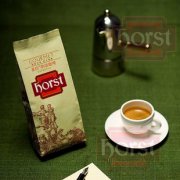
Coffee knowledge teaches you to understand coffee beans from the label.
Professionals all know that there may be great differences in the flavor of coffee beans from different years and different producing areas. Professional roasters will taste the raw coffee beans from different producing areas every year, and adjust the way of roasting and blending, so that consumers can get products with stable flavor and little difference. Sometimes, when you walk into a coffee store, you will find a dazzling array of coffee names.

The explanation of the terms on the Coffee package
Why coffee beans have such a long name? Why is there a single item, deep roast and Italian style of coffee? Where did so many names come from? When you walk into a coffee store or open the website of a professional coffee and bean seller, you may be confused by the dazzling variety of coffee names. Why coffee beans have such a long name? Why is there a single item, deep roast and Italian style of coffee? How is this divided?

The basics of coffee teach you to understand coffee beans from the label.
Professionals all know that there may be great differences in the flavor of coffee beans from different years and different producing areas. Professional roasters will taste the raw coffee beans from different producing areas every year, and adjust the way of roasting and blending, so that consumers can get products with stable flavor and little difference. Sometimes, when you walk into a coffee store, you will find a dazzling array of coffee names.

The steps of fine roasting coffee beans Technical degree Taste introduction
The steps of roasting coffee beans are summarized as stewing below 30, and adjusting according to the exhaust gas volume above 30. An important indicator of exhaust gas volume is the comparison between the speed of exhaust gas temperature rise and the speed of bean temperature rise. A general rule is that the exhaust temperature rises faster than the bean temperature, the bean taste will be clean but the flavor will be weak, the exhaust temperature rises faster than the bean temperature.
The basic knowledge of Coffee interprets the name of Coffee Bean
Why coffee beans have such a long name? Why is there a single item, deep roast and Italian style of coffee? Where did so many names come from? When you walk into a coffee store or open the website of a professional coffee and bean seller, you may be confused by the dazzling variety of coffee names. Why coffee beans have such a long name? Why is there a single item, deep roast and Italian style of coffee? How is this divided?
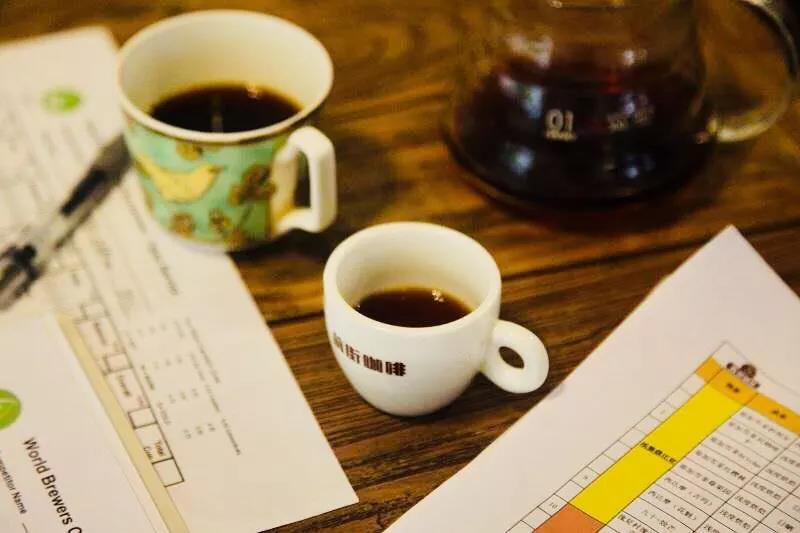
[Qianjie barista examination] check Qianjie irregularly for exams.
Professional coffee knowledge exchange more coffee bean information please follow the coffee workshop (Wechat official account cafe_style) [preface] I believe some friends have found that we have random tests on the front street from time to time, why do we want to take the exam? In addition to testing our familiarity with beans, it is more important to show you a good cup of coffee and enjoy the taste and story of a cup of coffee.

What is the defective flavor? what is the defective flavor?
Boiled beef cooked beef odor type: roasted, animal odor characteristics: this is the rich and appetizing smell of cooked beef and roasted poultry skins. 2-methyl-3-thiofuran (2-Methyl-3-furanethiol) tastes like boiled beef. Boiled beef in coffee: this delicate, sulfur aroma is worthy of the best Arabica. It's related to cocoa.

Yega Xuefei baking record
Yega snow coffee: turn the cage on the oven, preheat it at 170 degrees for 2 minutes, serve the coffee beans. Bake at 170 degrees for 2 minutes to 250 degrees. After about 11 minutes, hear the first explosion for more than ten seconds and quickly take it out and rotate to the cooling plate to cool down. Coffee beans are slightly deeper than the standard medium roasting, and the actual roasting degree must be below medium. A lot of silver skins are still glued to the coffee beans, indicating that they are not roasted enough.
The basics of coffee teach you about coffee beans from the label.
Professionals all know that there may be great differences in the flavor of coffee beans from different years and different producing areas. Professional roasters will taste the raw coffee beans from different producing areas every year, and adjust the way of roasting and blending, so that consumers can get products with stable flavor and little difference. Sometimes, when you walk into a coffee store, you will find a dazzling array of coffee names.

The name of the coffee bean is the name of the coffee bean.
Why do coffee beans have such long names? Why is coffee divided into single, deep roast and Italian? Where do all these names come from? When you walk into a specialty coffee shop or open a website for a specialty coffee bean vendor, you may be confused by the variety of coffee names. Why do coffee beans have such long names? Why is coffee divided into single, deep roast and Italian? How is this divided?

Introduction to roasting degree of coffee in Silver Mountain Manor, Jamaica
Author: Zhao Charlie Link: https://zhuanlan.zhihu.com/p/20329485 Source: Zhihu copyright belongs to the author. Commercial reprint please contact the author for authorization, non-commercial reprint please indicate the source. The producing area of Jamaican Blue Mountain Coffee is strictly limited to 910-1700m above sea level in Jamaica Blue Mountain area. Strictly speaking, coffee grown at 910-1700m is called

Coffee bean defect grading standard-Ethiopian coffee bean grading
Coffee bean defect classification criteria-Ethiopia coffee bean classification Ethiopia-Ethiopia Yirgacheffe (Ethiopia), for example, Ethiopia Ethiopia is the name of the coffee producing country, indicating that this is a "single coffee"; Yega Chenophine Yirgacheffe is a high-altitude, narrow, small producing area in Ethiopia's Sidamo producing area (Sidamo). Different small producing areas mean
Secret interpretation of the name of Coffee beans in the Coffee Packaging label
Why coffee beans have such a long name? Why is there a single item, deep roast and Italian style of coffee? Where did so many names come from? When you walk into a coffee store or open the website of a professional coffee and bean seller, you may be confused by the dazzling variety of coffee names. Why coffee beans have such a long name? Why is there a single item, deep roast and Italian style of coffee? How is this divided?

The word meaning of coffee beans on the package to understand coffee beans from the label
Professionals all know that there may be great differences in the flavor of coffee beans from different years and different producing areas. Professional roasters will taste the raw coffee beans from different producing areas every year, and adjust the way of roasting and blending, so that consumers can get products with stable flavor and little difference. Sometimes, when you walk into a coffee store, you will find a dazzling array of coffee names.

Taste characteristics of Panamanian coffee beans an introduction to the manor by grinding scale treatment in the producing area
Panamanian coffee beans taste characteristics of regional grinding scale treatment manor introduction taste is easy to leave an impression, so it is used as an indicator of the taste of deep-roasted coffee. For example, when a coffee bean is to be roasted deeply, French roasting is used! To get such instructions, as long as it is specified that it is a little bitterer than Peru, ah, the taste, ah, everyone will immediately have a common understanding.